What is Sepsis?
Sepsis is a life-threatening uncontrolled immune response to an infection, causing the body to damage its own tissues and organs. Sepsis can be triggered by ANY type of infection, whether bacterial, viral, fungal, or caused by other germs (pathogens). Sepsis needs urgent and quick treatment with antibiotics, intravenous fluids and other supportive measures.

Act NOW if you Suspect Sepsis
ANY infection at ANY time can lead to sepsis.
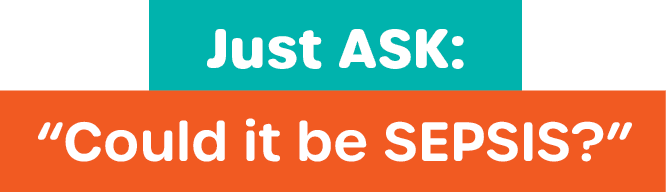
Sepsis can be hard to recognise, so trust your gut instinct. If you spot any of the signs or are concerned call 111 or go straight to Emergency and ask: Could it be Sepsis?
Sepsis is a life-threatening complication of infection, responsible for >$1 billion in annual healthcare costs to Aotearoa New Zealand.
5% of our nation's deaths are from sepsis, causing almost four times the number of deaths from motor vehicle accidents.
Māori are twice as likely to be affected and with greater severity.
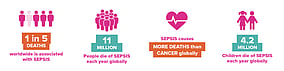
4.2 million
children die from sepsis each year globally
$11,000
is the average cost of a hospital admission with sepsis in New Zealand
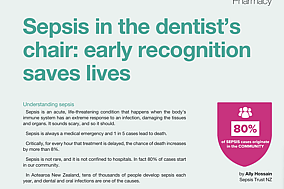
80%
of sepsis cases start in the community
11 million
deaths from sepsis every year worldwide
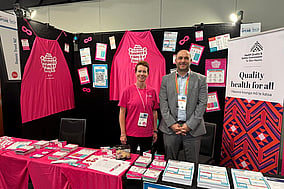
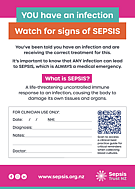
New Sepsis Infection Cards
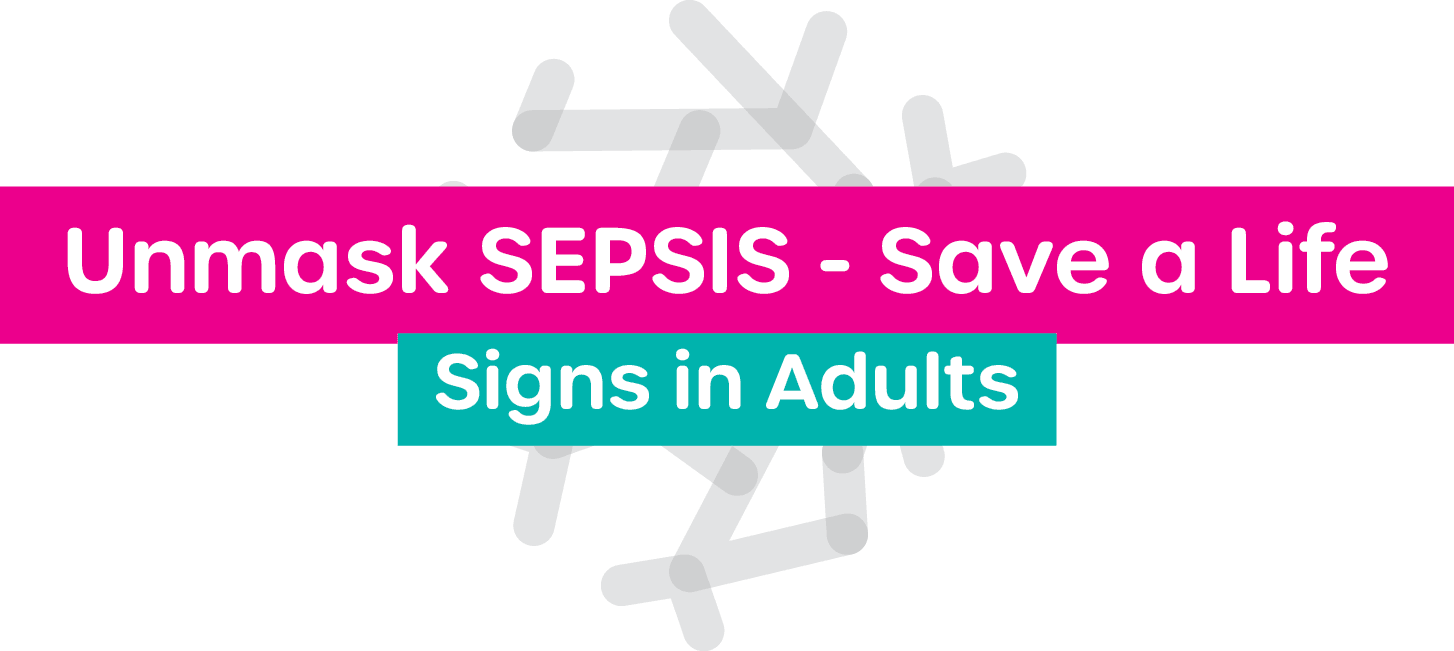
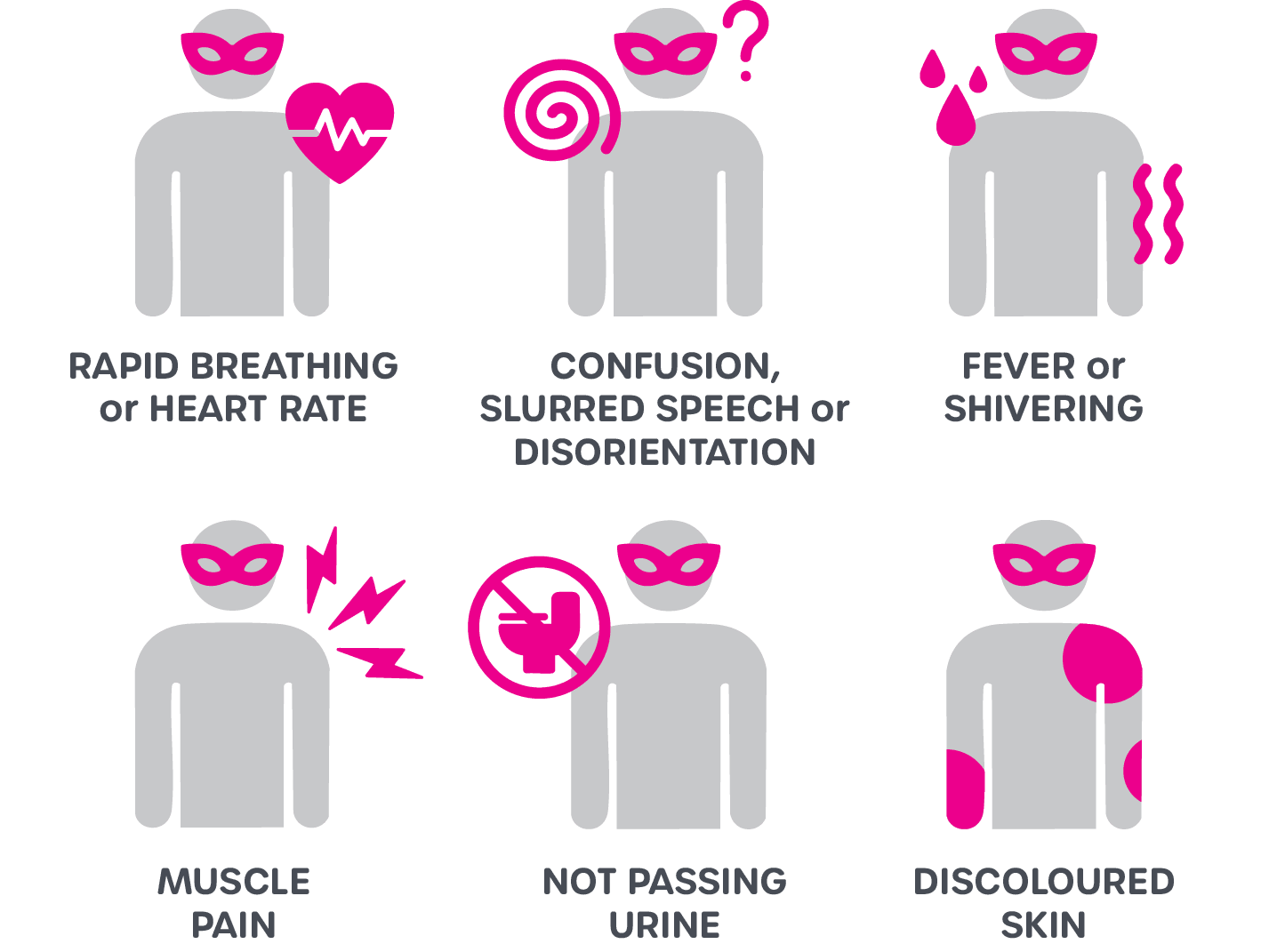
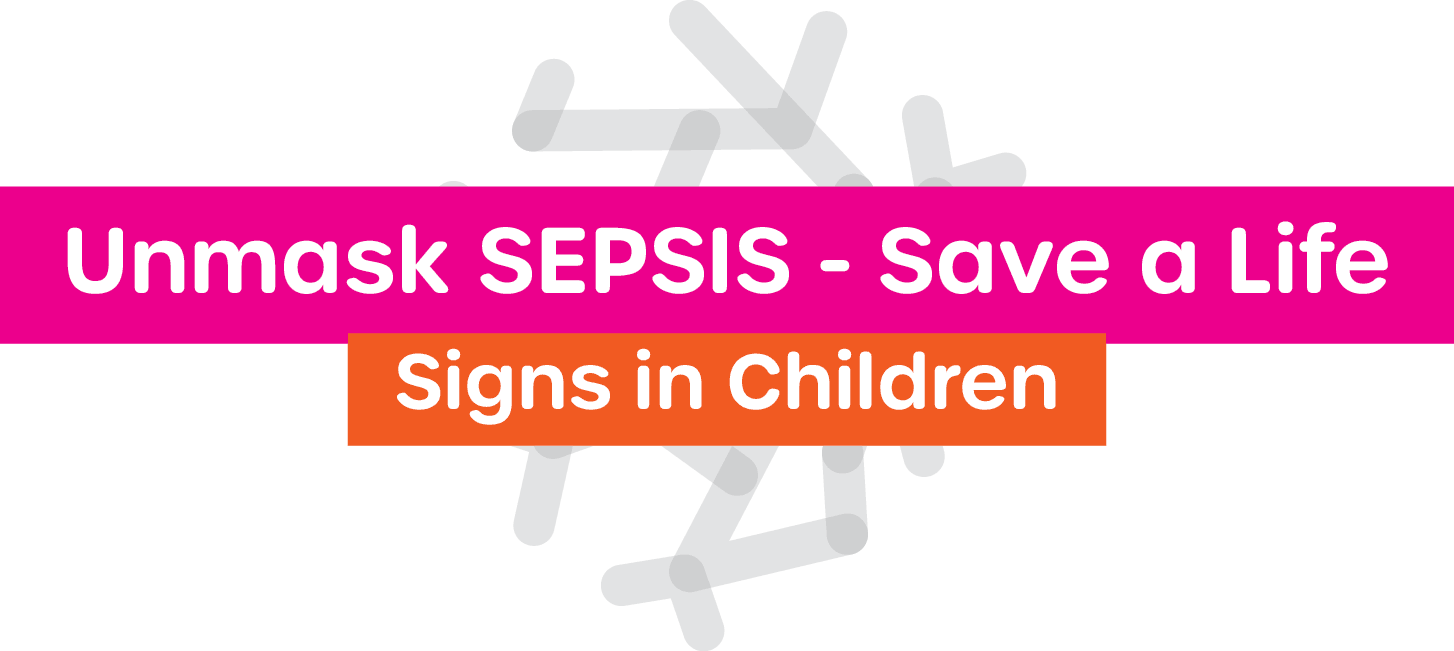
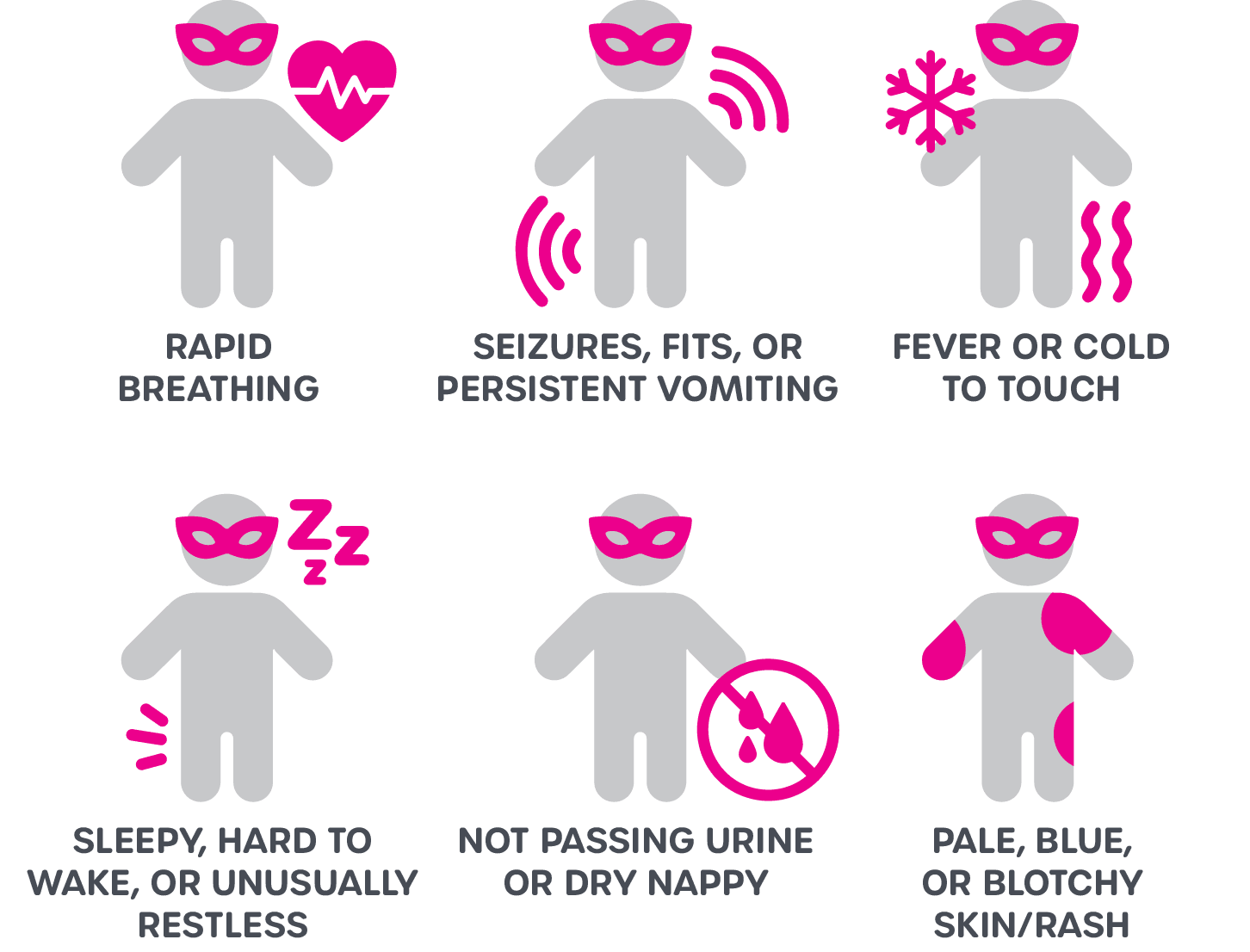
Help your patients recognise the signs of sepsis with our Infection Cards. Endorsed by the RNZCGP, there are both adult and paediatric versions, each showing the key signs and the question to ask: “Could it be SEPSIS?”
A6 size (105 × 148mm), printed both sides
Durable 300gsm Neo Matt Art stock
Packs of 100, 250 or 500 — from $132.62
Join us as a SEPSIS PARTNER
Long-term sponsorship is essential to sustain this life-saving work, and we invite you to join us as one of our SEPSIS PARTNERS
Who is at Risk?
Anyone is at risk of developing sepsis from any infection at any time. Sepsis always starts with an infection, which could be a bacterial, viral or fungal infection. It’s not known why the immune response of some people develop sepsis in response to infections whereas others don’t.
Some groups of people are at a higher risk of developing sepsis, including:
Babies (under 1 year old)
Adults over 75 and/or people who are very frail
People who have impaired immune systems because of illness or drugs
Pregnant women
Māori & Pacific Islanders (often at a younger age)
PAIGE'S SEPSIS STORY
Sepsis doesn’t care who you are - or what you do…
Paige was a healthy young nurse working in a busy emergency department… listen to how she became a sepsis statistic, one of up to 50,000 Kiwis who contract sepsis annually.
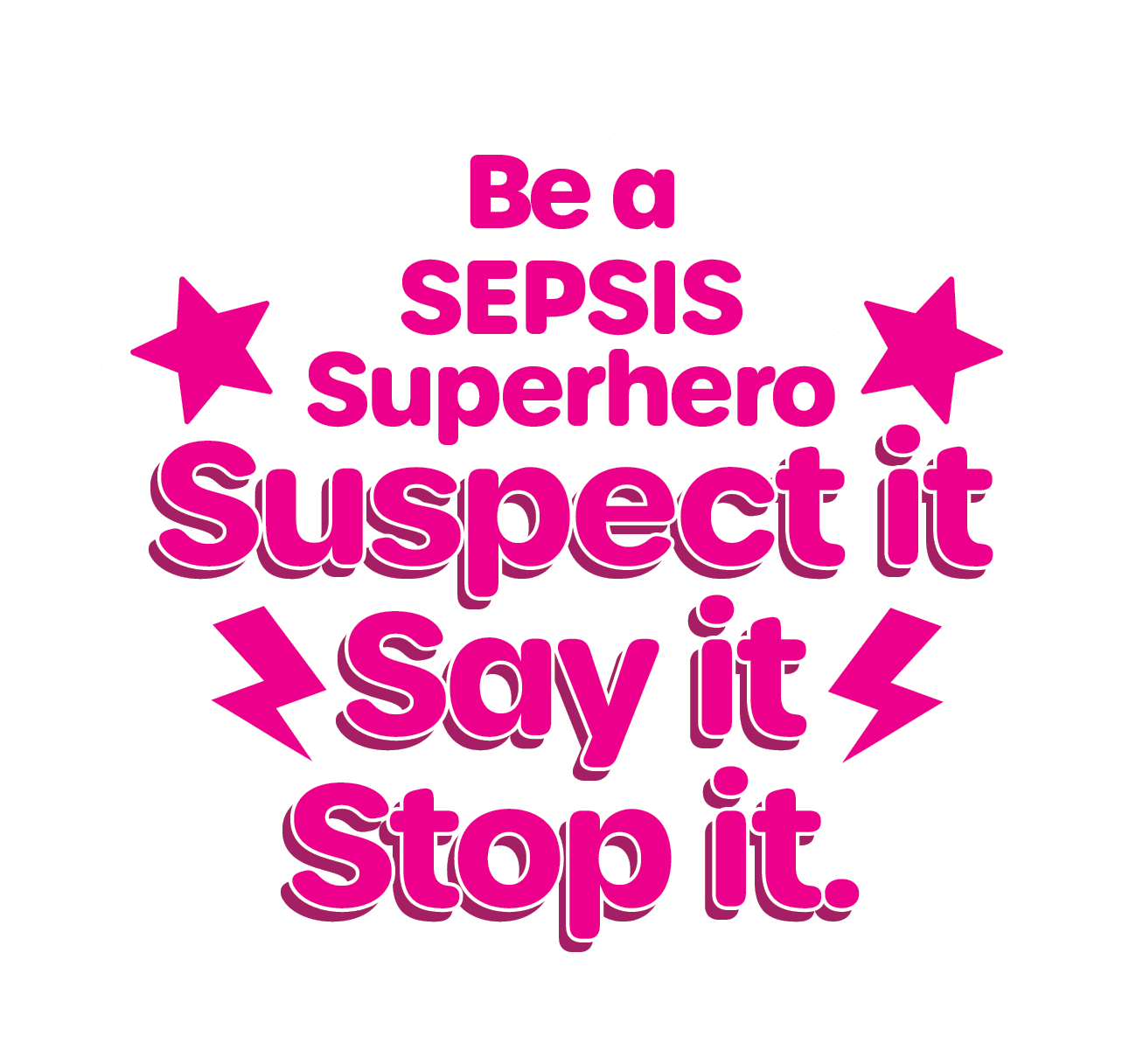
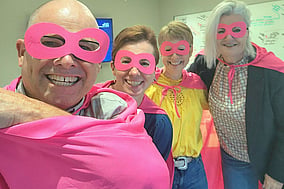
Be a SEPSIS Superhero this September!
Sepsis Trust NZ invites you to become a SEPSIS Superhero – capes optional, impact guaranteed. Whether you’re hosting a morning tea, running your own a fundraiser, sharing your story, or simply making a donation, every act of heroism brings us one step closer to a world where sepsis is no longer a deadly mystery.

Contact Info
Sepsis Trust NZ
PO Box No 565
Waikato Mail Centre
Hamilton 3240
info@sepsis.org.nz
Charity No. CC56078
Helpful Links
Our thanks to our 2026 funders
Pub Charity, The Lion Foundation, The Potter Trust, Nelson Pine Industries Limited